
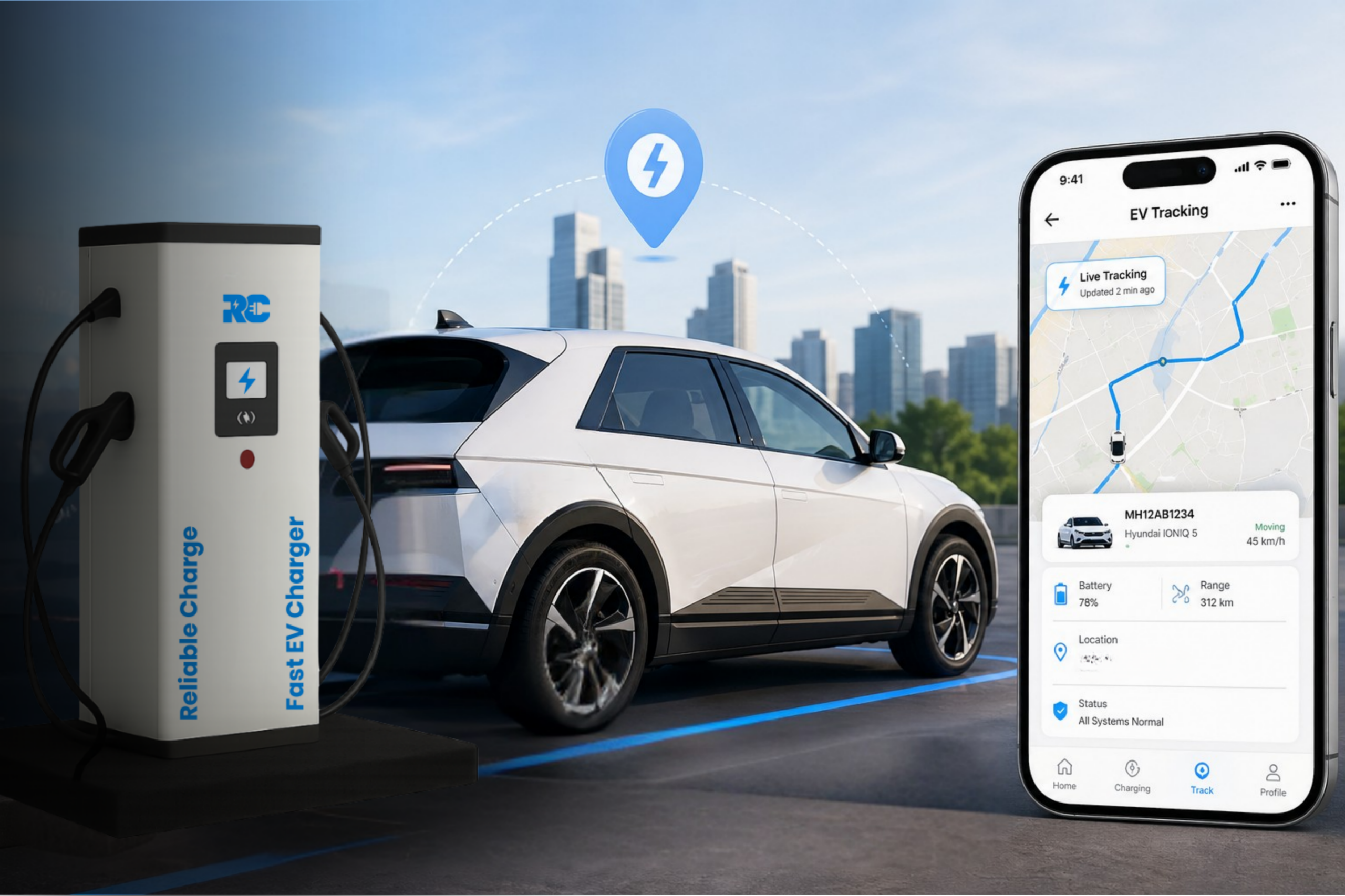
As India accelerates its transition to electric vehicles (EVs), new technologies are emerging to support this rapidly evolving ecosystem. One such technology gaining momentum is the EV tracking system. These systems are crucial not only for ensuring the efficiency and performance of EVs but also for enhancing user safety, optimizing fleet operations, and providing valuable real-time data for electric vehicle owners and operators.
In this blog, we’ll explore what an EV tracking system is, how it works, and the benefits it offers, especially in the context of India’s growing EV market.
What is an EV Tracking System?
An EV tracking system is a software and hardware solution that provides real-time monitoring and data collection about the vehicle’s location, performance, battery status, and more. Typically, these systems use GPS (Global Positioning System) technology combined with telematics, sensors, and mobile apps to give users and fleet operators complete visibility into the status of their electric vehicles.
EV tracking systems are not limited to vehicle location alone—they also offer insights into critical factors like:
- Battery health and charge levels
- Driving behavior
- Energy consumption
- Maintenance alerts
- Route optimization
These features make EV tracking systems invaluable for both individual EV owners and businesses managing electric fleets, such as logistics companies or public transportation providers.
Key Features of EV Tracking Systems
EV tracking systems are designed to offer multiple functionalities that enhance the overall user experience, improve vehicle performance, and ensure cost-effectiveness. Here are the primary features:
1. Real-Time GPS Tracking
At the core of an EV tracking system is GPS tracking, which provides real-time location data. This feature allows EV owners or fleet managers to know the exact whereabouts of the vehicle at any given time, ensuring security and route optimization. In India, where theft and unauthorized usage are concerns, real-time tracking provides an added layer of safety for vehicle owners.
2. Battery Monitoring
For EVs, the battery is the most critical component, and managing its health and charge levels is essential for optimal performance. EV tracking systems offer real-time battery monitoring, providing insights into the current charge, range estimates, and alerts for low battery levels. Users can plan charging stops accordingly and avoid range anxiety—a common concern for EV drivers in India.
3. Route Optimization
With increasing traffic congestion in Indian cities, route optimization is a valuable feature of EV tracking systems. These systems analyze real-time traffic conditions and suggest the most efficient routes, reducing energy consumption and saving time. For fleet operators, this can result in significant operational savings.
4. Driving Behavior Analysis
EV tracking systems can monitor driving behavior, including speed, acceleration, and braking patterns. By analyzing this data, users and fleet managers can improve driving habits, reduce wear and tear on the vehicle, and enhance energy efficiency. In the Indian context, where traffic conditions can be unpredictable, this feature helps promote safer driving practices.
5. Energy Consumption Reports
These systems generate detailed reports on energy consumption, allowing users to understand how much energy is being used per trip. This information is crucial for both individual EV owners and fleet operators to optimize charging schedules and reduce energy costs.
6. Maintenance Alerts
Regular maintenance is critical for ensuring the longevity of EVs, especially in the Indian market, where the availability of EV service centers is still growing. EV tracking systems provide proactive maintenance alerts by monitoring vehicle health and performance. Users receive notifications when a component requires attention, helping avoid costly repairs and ensuring smooth vehicle operation.
Benefits of EV Tracking Systems for Indian EV Owners and Fleet Operators
EV tracking systems offer multiple benefits to different types of users, including individual EV owners, fleet operators, and businesses. Let’s explore how these systems add value to the Indian EV market.
1. Enhanced Security
In a country like India, where vehicle theft remains a concern, GPS tracking provides peace of mind. EV tracking systems allow owners to monitor their vehicle’s location in real time. In case of theft or unauthorized usage, the system can alert the owner, and law enforcement can use the tracking data to recover the vehicle quickly.
2. Optimized Battery Life and Charging
Battery life is one of the primary concerns for EV owners in India, where charging infrastructure is still developing. By monitoring battery status in real-time, EV tracking systems help users plan their charging more effectively. These systems provide alerts for low battery levels, allowing drivers to find the nearest charging station and avoid running out of power.
For fleet operators, monitoring battery health across multiple vehicles helps ensure that none of the vehicles experience downtime due to battery failure, enhancing operational efficiency.
3. Improved Fleet Management
For businesses managing fleets of electric vehicles, an EV tracking system is a game changer. Fleet operators can monitor the real-time location of all vehicles, optimize routes to reduce energy consumption, and receive reports on driver behavior. This results in better fuel efficiency, lower operational costs, and reduced carbon emissions.
In the Indian market, where logistics and public transportation are increasingly adopting EVs, this level of management is essential for achieving cost savings and sustainability goals.
4. Cost Savings
EV tracking systems can significantly reduce costs for both individual EV owners and businesses. By analyzing energy consumption, optimizing routes, and monitoring vehicle health, users can minimize unnecessary expenses such as overcharging, inefficient energy usage, and costly repairs. Additionally, by promoting better driving behavior, users can reduce wear and tear on the vehicle.
5. Proactive Maintenance
In the Indian EV ecosystem, where maintenance infrastructure is still growing, getting timely notifications about vehicle health is essential. EV tracking systems help users stay ahead of maintenance requirements by providing early warnings about potential issues. This ensures that the vehicle remains in optimal condition, reducing the likelihood of unexpected breakdowns.
6. Data-Driven Insights
One of the most significant benefits of EV tracking systems is the wealth of data they generate. Users and fleet operators can leverage this data to gain insights into vehicle performance, energy usage, and operational efficiency. For businesses, these insights can inform future decisions, such as optimizing fleet size, enhancing route planning, or even transitioning more vehicles to electric.
Challenges Faced by EV Tracking Systems in India
While EV tracking systems offer numerous benefits, there are some challenges that need to be addressed in the Indian context:
1. Network Connectivity Issues
Although major cities have good network connectivity, many rural areas in India face inconsistent mobile network coverage. This can affect the real-time tracking capabilities of EV tracking systems, especially for fleets operating across large distances.
2. Integration with Charging Infrastructure
For EV tracking systems to provide comprehensive insights, they need to be integrated with India’s charging infrastructure. However, the lack of standardization across charging stations and networks poses a challenge. Efforts are underway to establish a uniform charging protocol, which will enhance the effectiveness of tracking systems.
3. High Initial Costs
The installation of sophisticated EV tracking systems may involve high initial costs, which can be a barrier for small businesses or individual EV owners. However, as EV adoption grows and technology becomes more accessible, costs are expected to reduce over time.
The Future of EV Tracking Systems in India
India’s EV ecosystem is still in its early stages, but the future looks bright. With the growing focus on electrification, EV tracking systems will play a crucial role in ensuring the efficiency, safety, and performance of electric vehicles. The Indian government’s push towards developing charging infrastructure, along with the introduction of new policies and incentives, will further support the growth of this technology.
In the future, we can expect to see even more advanced features in EV tracking systems, including integration with smart grids, predictive maintenance using artificial intelligence, and remote diagnostics. As these technologies evolve, EV tracking systems will become an essential tool for both individual EV owners and businesses looking to streamline their operations.
Conclusion
EV tracking systems are an integral part of the future of electric mobility in India. These systems provide users with real-time data, enhanced security, and valuable insights into vehicle performance and energy consumption. For fleet operators and businesses, EV tracking systems offer significant operational and cost-saving benefits.
As India continues to build its EV infrastructure and more vehicles hit the roads, the adoption of EV tracking systems will become even more widespread. Whether you are an individual EV owner or a fleet operator, investing in an EV tracking system is a smart way to ensure your electric vehicle runs efficiently and safely in the long run.